Symptoms and triggers
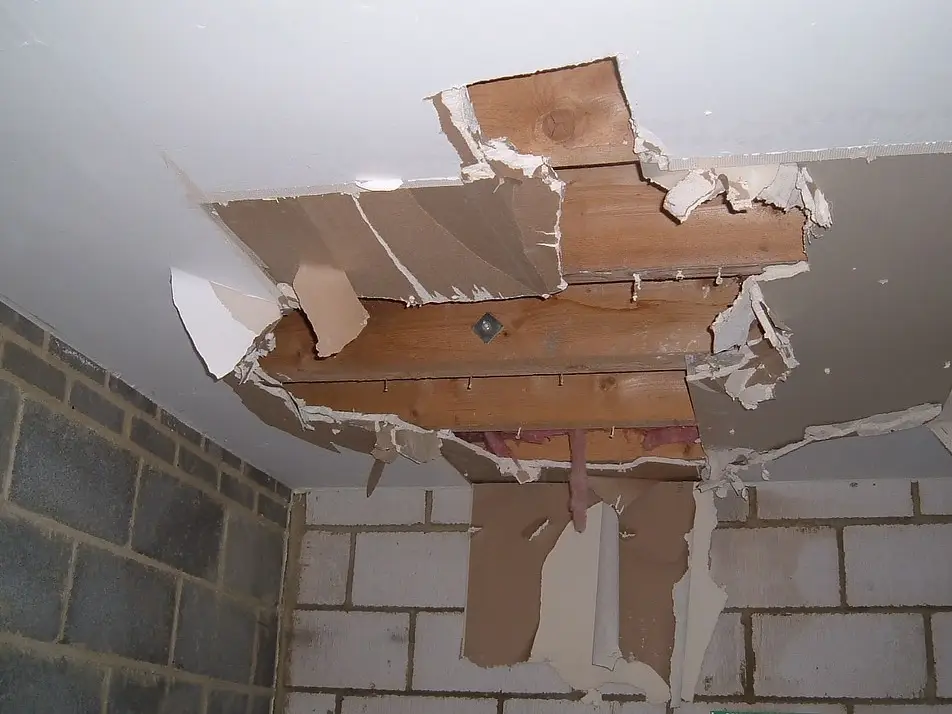
Signs you need leak detection
- Mildew smell with no visible source
- Water bill jumped with no change in usage
- The water meter moves with every fixture closed
- A warm or damp patch on a floor slab
- Staining or bubbling on a ceiling or wall
The job itself
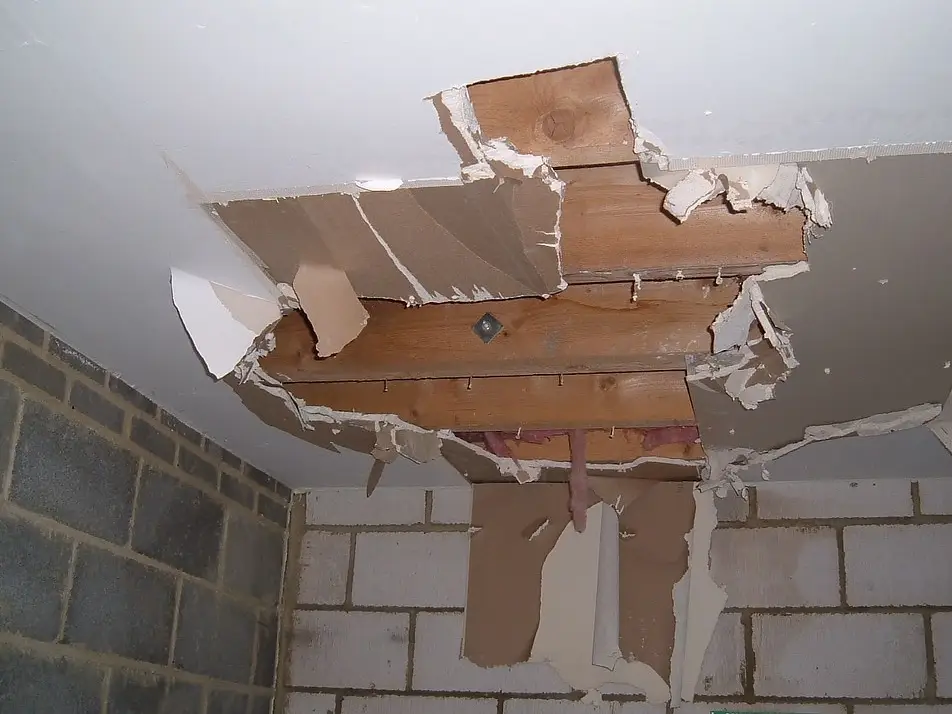
How leak detection is done properly
Leak Detection & Repair is handled by independent licensed plumbers in Colorado. This page covers what the work involves, what changes the price, and the Colorado code and permit rules that apply. Published ranges are on the separate leak detection costs page. Locally, the biggest markets for it are Denver, Colorado Springs, Aurora. Requests for it often arrive alongside water heater installation & replacement.
- A meter test confirms whether water is being lost
- The system is isolated section by section to narrow the location
- Acoustic, thermal-imaging or tracer-gas equipment pinpoints the leak
- Minimum-access opening is made to expose the pipe
- The section is repaired and the system re-pressurized and re-tested
Scope boundary
What a standard visit covers — and what is billed on top
The single biggest source of quote disputes is the boundary between these two columns. Get it written down before work starts.
| Normally included | Commonly billed on top |
|---|---|
| Systematic isolation of branches to narrow the search area | Tracer-gas or thermal imaging escalation when acoustic methods prove inconclusive |
| Electronic or acoustic pinpointing and marking of the leak location | The repair itself, including rerouting a line around a failed slab section |
| A findings summary with the recommended repair approach explained | Drying, dehumidification and mold remediation handled by a restoration contractor |
Price drivers
What drives leak detection pricing in Colorado
- 01
Whether the leak is accessible or under slab, in a wall or under landscaping
- 02
Detection method needed — acoustic versus thermal versus tracer gas
- 03
Repair method — spot repair, reroute, or partial repipe
- 04
Restoration of the opened surface (concrete, tile, drywall)
- 05
Whether secondary water damage remediation is required
Before you sign
Questions to ask before authorizing leak detection
- 01
Will a written report with photographs and marked locations be provided, since insurers usually require proof of cause and position?
- 02
Which detection methods are included — acoustic listening, thermal imaging, tracer gas or a meter isolation test — and in what order?
- 03
Is the detection charge separate from the repair, and does it still apply if no leak is ultimately located?
- 04
How large an opening in floor, wall or slab is expected, because minimizing access limits the later restoration work?
Local pages
Leak Detection by city in Colorado
Each city page adds local ZIP coverage, permit authority and routing detail.
-

Denver
Denver County
-

Colorado Springs
El Paso County
-

Aurora
Arapahoe County
-

Fort Collins
Larimer County
-

Lakewood
Denver County
-

Thornton
Adams County
-

Westminster
Adams County
-

Arvada
Jefferson County
-

Centennial
Arapahoe County
-

Pueblo
Pueblo County
-
Greeley
Weld County
-

Boulder
Boulder County
Before anyone touches a pipe
Verify the license. It takes two minutes.
- Who licenses the work: State Plumbing Board, Colorado Division of Professions and Occupations (DORA) together with the local jurisdiction.
- Who pulls the permit: the licensed contractor, never the homeowner.
- What to ask for: the license number, the registered name behind it, and an insurance certificate issued to the property address.
Answers first
Leak Detection in Colorado — frequently asked
How do I know if I have a hidden leak?
The simplest test: turn off every fixture and appliance that uses water, then watch the water meter's low-flow indicator for 15–20 minutes. Any movement means water is leaving the system somewhere. That test does not tell you where — it tells you that detection is worth paying for.
Is a slab leak an emergency?
It is urgent rather than instantaneous. A slab leak will keep eroding fill under the foundation and driving up the bill for as long as it runs, so it should be located quickly — but you generally have hours to days, not minutes, unless water is entering the living space.
Will detection damage my floor?
Modern detection is designed to avoid that: the point of acoustic, thermal and tracer-gas equipment is to make one small opening instead of several exploratory ones. Ask the contractor what restoration is and is not included before work starts.
Which areas does PlumberColorado cover?
All of Colorado: the site lists every covered city with real ZIP codes, the county permit authority and nearby coverage, so requests route to a professional already working that area.
Is PlumberColorado a plumbing company?
No. Independent licensed professionals perform and contract the work directly with you. PlumberColorado routes the request and links every page to the official Colorado license register.
Does PlumberColorado charge homeowners anything?
No. PlumberColorado may be compensated by a partner when a homeowner connects with a professional through the site. That never changes what the contractor charges for the job.
Does calling create any obligation to hire?
None. A call or a callback request is a conversation, not a contract. Scope, timing and price are only agreed if you decide to proceed with the professional handling Colorado.
Are night and weekend calls handled differently in Colorado?
Requests route around the clock, but most contractors price after-hours work differently. Ask for the after-hours rate and a committed arrival window before agreeing to a dispatch.
Get connected
Leak Detection in Colorado
The form takes half a minute. It routes to an independent licensed pro covering Colorado; everything else — scope, timing, price — you agree with them directly, license verified first.
- Requests handled around the clock
- An independent licensed pro calls you back
- No obligation to hire
Prefer a call back?
Takes 30 seconds — an independent licensed pro calls you back.
Request received
It has been routed to an independent licensed professional covering your area — they will call you back on the number you entered.
Keep reading
Further reading
-
Cost guide
Leak Detection cost ranges in Colorado
-
Services
All plumbing services
-
Licensing
Colorado licensing and permits